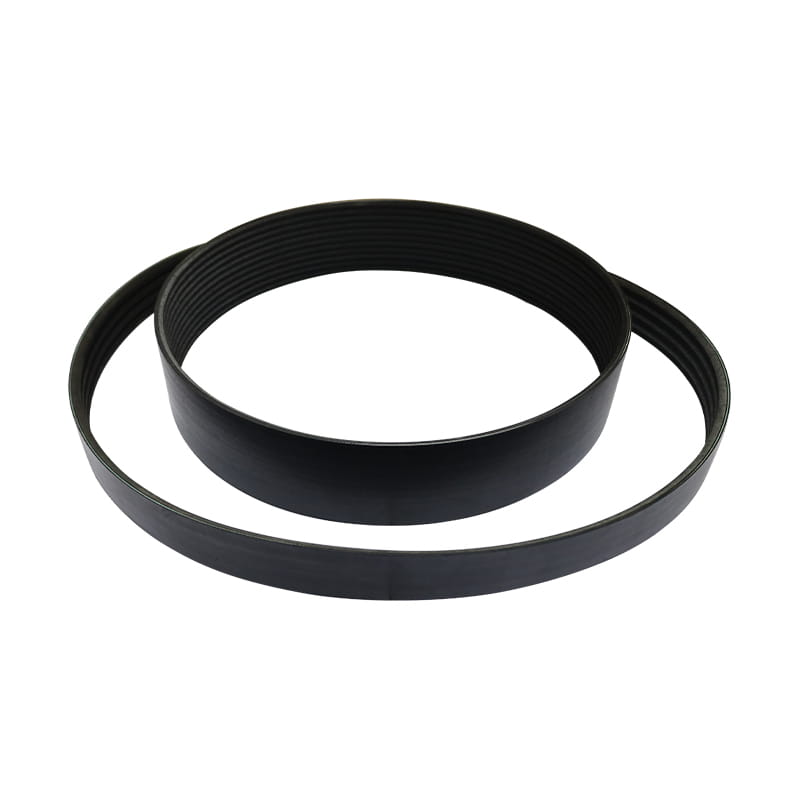
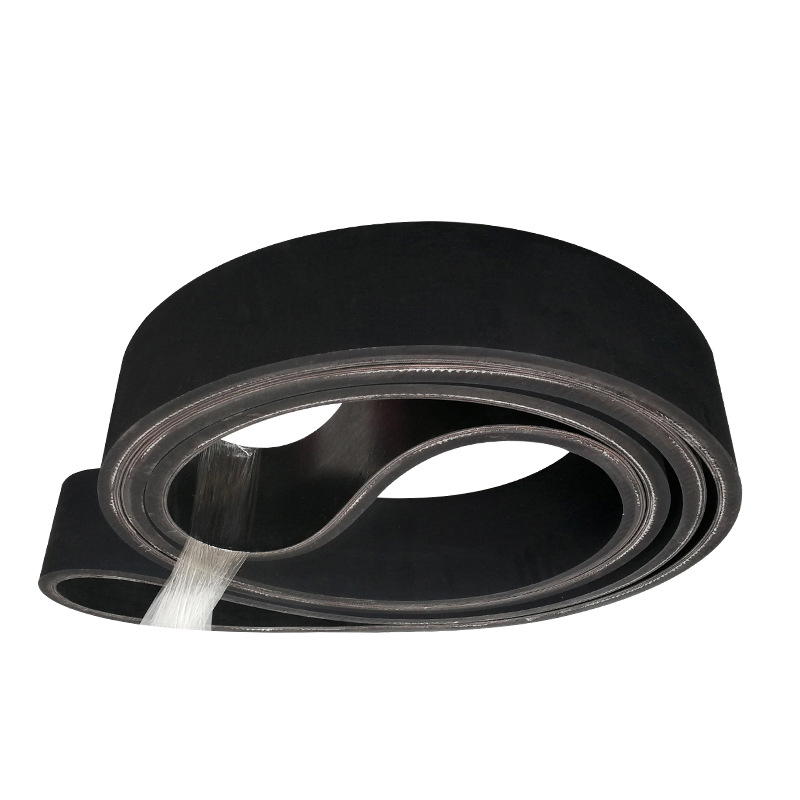
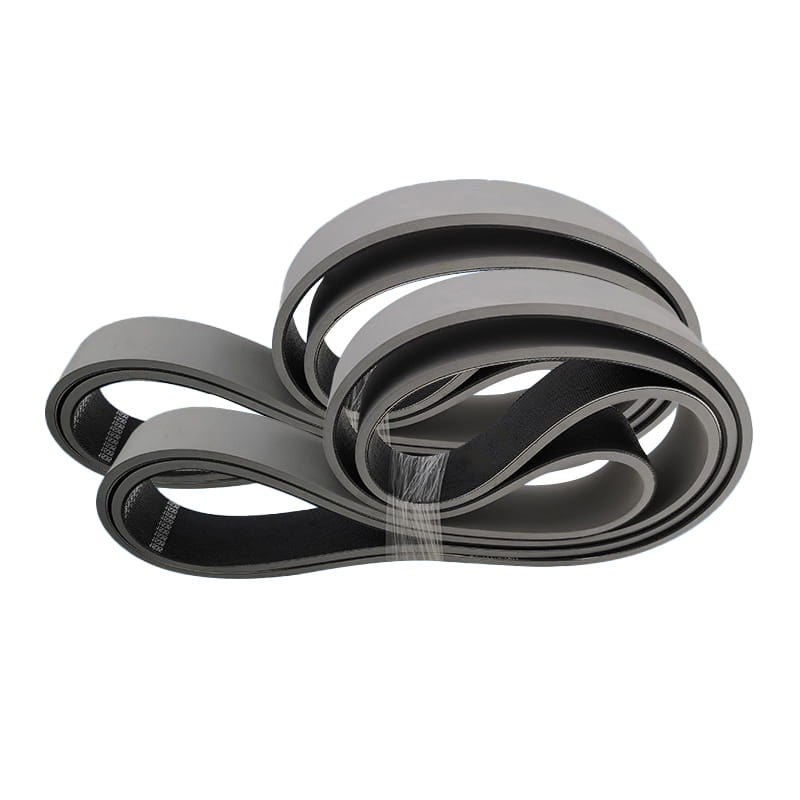
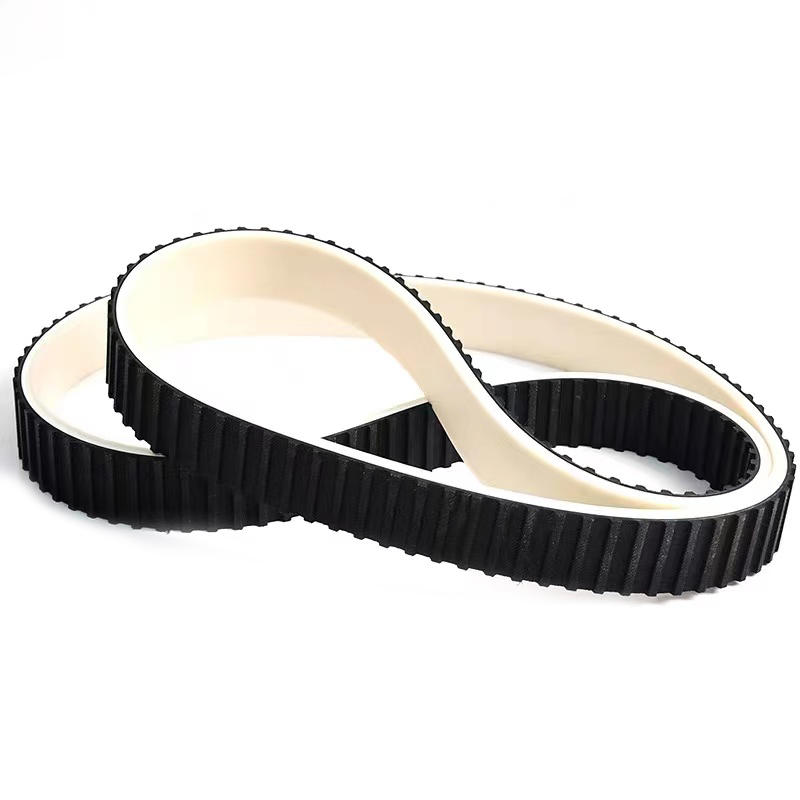
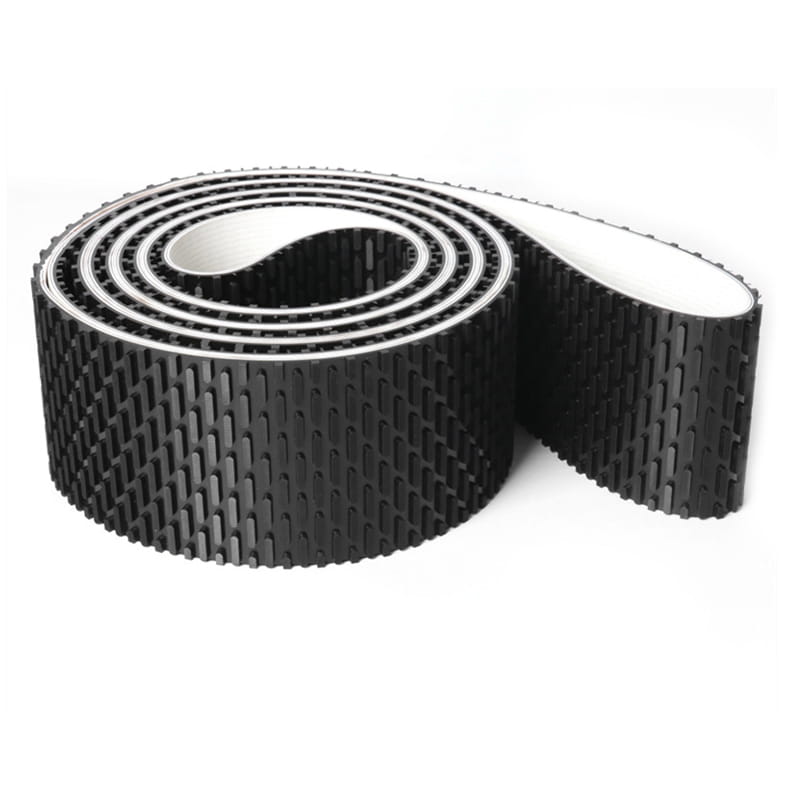
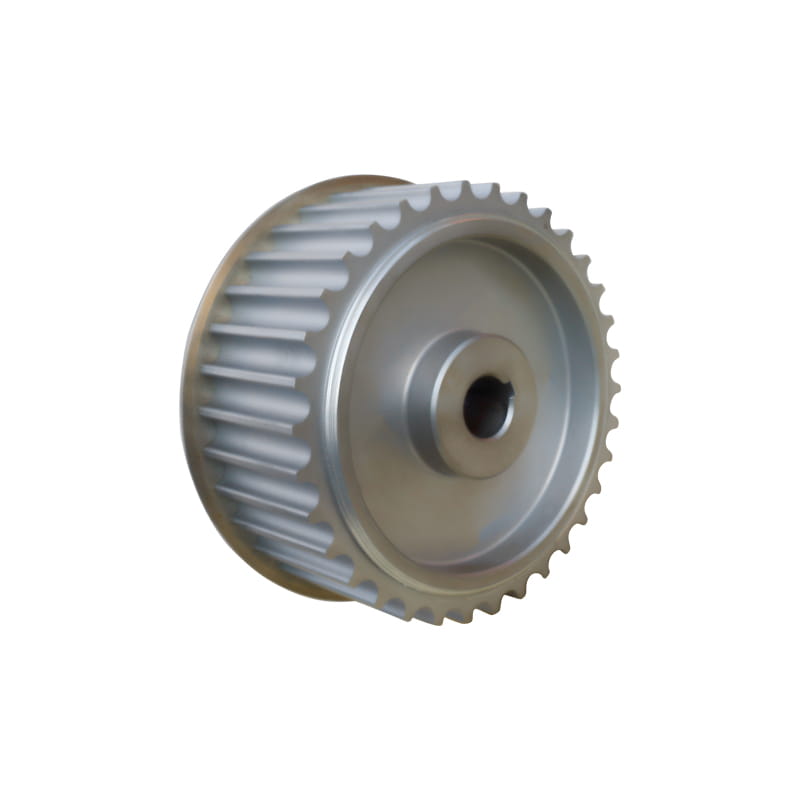
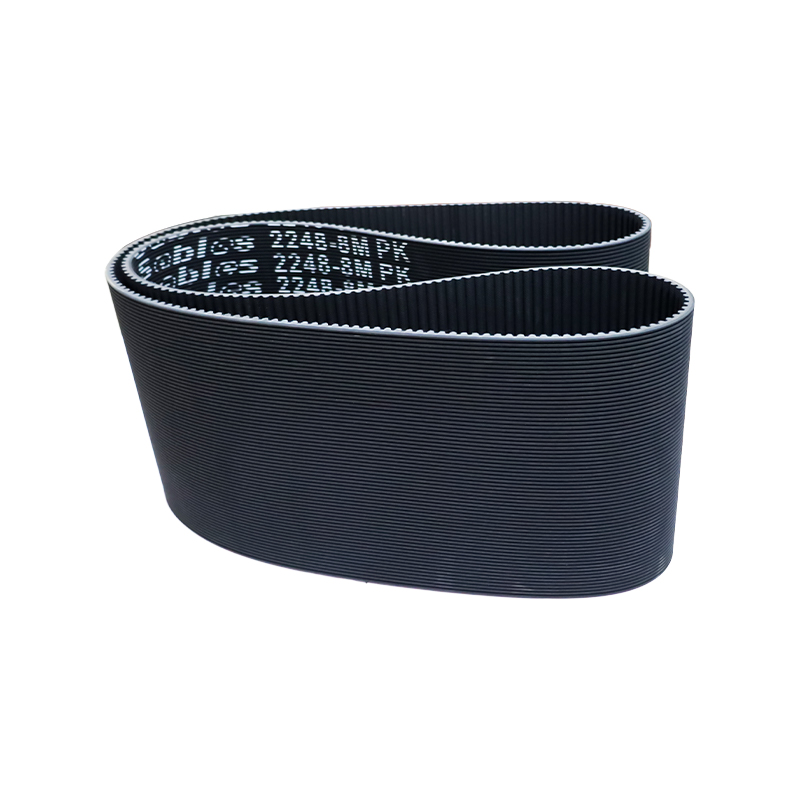
Rubberen geribbelde riemen — meestal gezien als kronkelige riemen of poly-V-riemen in auto- en industriële machines — hebben een typische levensduur van 60.000 tot 100.000 mijl (ongeveer 96.000 tot 160.000 km) in automobieltoepassingen , of ongeveer 3 tot 5 jaar continu gebruik in industriële omgevingen . De werkelijke levensduur varieert echter aanzienlijk, afhankelijk van de bedrijfsomstandigheden, de belastingsintensiteit, de blootstelling aan het milieu en de kwaliteit van het riemmateriaal zelf. Sommige hoogwaardige riemen gaan onder lichte belasting in gecontroleerde omgevingen ruim 160.000 kilometer mee, terwijl riemen die worden blootgesteld aan hoge hitte, verkeerde uitlijning of blootstelling aan chemicaliën al binnen 64.000 kilometer kapot kunnen gaan. Als u begrijpt wat de slijtage van schijven is en hoe u vroegtijdige degradatie kunt detecteren, kunt u de levensduur maximaliseren en onverwachte storingen voorkomen.
Levensduur per toepassingstype
Rubberen geribde banden worden in een breed scala aan industrieën en toepassingen gebruikt. Elke omgeving brengt verschillende belastingen met zich mee, waardoor de verwachte levensduur aanzienlijk verschilt van context tot context.
| Toepassing | Typische levensduur | Primaire slijtagefactor |
| Kronkelige riem voor auto's | 60.000–100.000 mijl | Warmtecycli, slijtage van de spanner |
| Automotive timing / hulpaandrijving | 50.000–80.000 mijlen | Hoge spanning, thermische stress |
| HVAC / compressoraandrijving | 3-5 jaar continu | Constante belasting, omgevingswarmte |
| Industriële transportband / machines | 2–4 jaar (met onderhoud) | Verkeerde uitlijning, overbelasting |
| Fitness-/loopbandapparatuur | 4–7 jaar (licht gebruik) | Wrijving, intermitterende belasting |
| Landbouw-/buitenuitrusting | 1.000–2.000 bedrijfsuren | UV, stof, vocht, variabele belasting |
Geschatte levensduurbereiken voor rubberen geribbelde riemen in veel voorkomende toepassingscategorieën.
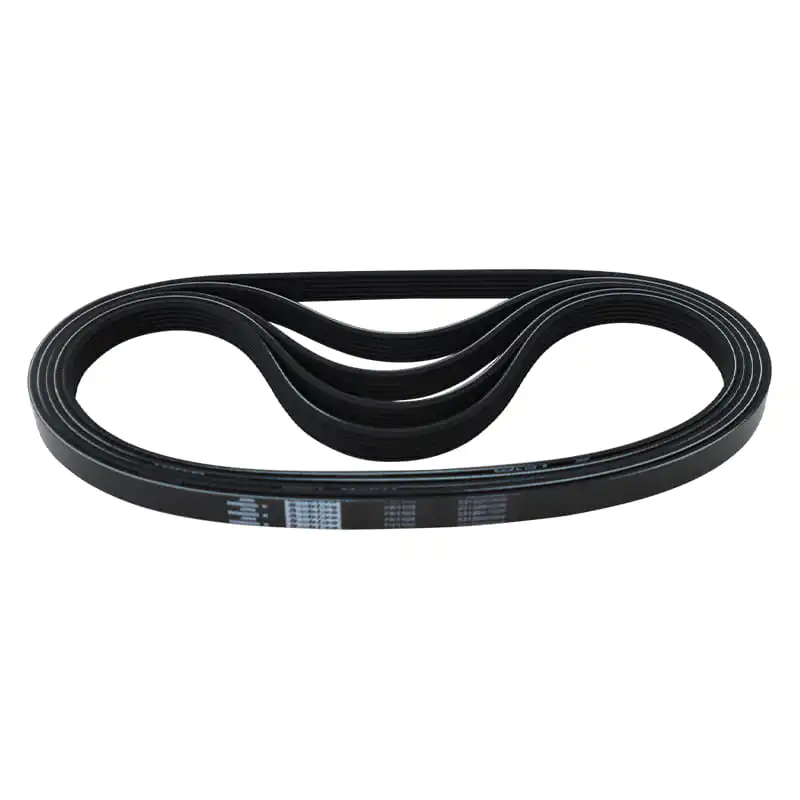
Wat maakt rubberen geribbelde riemen duurzaam
De duurzaamheid van rubberen geribde riemen komt voort uit hun gelaagde constructie, die meerdere materialen combineert die zijn ontworpen om de specifieke faalwijzen te weerstaan die gebruikelijk zijn bij toepassingen voor krachtoverbrenging.
EPDM-rubbercompound
Moderne rubberen geribde riemen zijn voornamelijk gemaakt van ethyleen-propyleen-dieen-monomeer (EPDM)-rubber, dat in de jaren negentig en 2000 oudere neopreenformuleringen in de meeste auto- en industriële riemen verving. EPDM biedt superieure weerstand tegen hitte, ozon en oxidatie vergeleken met neopreen, waardoor riemen hun flexibiliteit en treksterkte behouden over een breder temperatuurbereik – doorgaans van -40°C (-40°F) tot meer dan 250°F (121°C). Omdat EPDM geleidelijker slijt en niet zo zichtbaar barst of glazuurt als neopreen, maakt het de beoordeling van de toestand ook een grotere uitdaging zonder fysieke inspectie.
Vezelversterkte trekkoorden
Ingebed in het rubberen lichaam zijn zeer sterke trekkoorden – meestal gemaakt van polyester, aramide (Kevlar-type) of glasvezel – die het grootste deel van de mechanische belasting dragen. Deze koorden voorkomen dat de riem onder spanning uitrekt en behouden na verloop van tijd de juiste riemlengte en aangrijpingsgeometrie. Met aramide versterkte riemen zijn bestand tegen trekkrachten die 40-60% hoger zijn dan polyester-equivalenten , waardoor ze de voorkeur verdienen voor industriële aandrijvingen met hoge belasting en hoogwaardige automobieltoepassingen.
Geribbeld profielontwerp
De longitudinale V-vormige ribben aan de binnenkant van de riem grijpen in de overeenkomstige groeven op de poelie, waardoor het contactoppervlak wordt vergroot in vergelijking met een platte riem. Dit ontwerp verdeelt de belasting tegelijkertijd over meerdere ribben, waardoor de spanning op elk enkel contactpunt wordt verminderd en mogelijk wordt gemaakt efficiëntie van de krachtoverdracht tot 98% terwijl de slijtage aanzienlijk wordt verminderd. Het ribprofiel zorgt er ook voor dat de riem soepel rond katrollen met een kleine diameter kan buigen zonder overmatige buigspanning.
Belangrijkste factoren die de levensduur van rubberen geribbelde riemen verkorten
Overmatige hitte
Warmte is de meest schadelijke factor voor rubberen geribbelde riemen. Voor elke stijging van de bedrijfstemperatuur met 10 °C boven het ontwerpbereik versnelt de afbraak van rubber met ongeveer het dubbele van de snelheid – een goed ingeburgerd principe in de polymeerwetenschap dat bekend staat als de Arrhenius-regel. Een kronkelige riem voor auto's die in een slecht geventileerde motorruimte werkt en constant draait 220°F (104°C) in plaats van het ontwerpoptimum van 185°F (85°C) kan de levensduur met 30-50% worden verkort. Warmte zorgt ervoor dat het rubber na verloop van tijd hard wordt, barst en zijn elasticiteit verliest, wat uiteindelijk kan leiden tot delaminatie van de ribben of het breken van de riem.
Verkeerde uitlijning van katrollen
Een verkeerde uitlijning van de riemschijven – ofwel hoekig (katrollen gekanteld ten opzichte van elkaar) of evenwijdig (katrollen zijdelings verschoven) – veroorzaakt ongelijkmatige slijtage van de ribben en genereert abnormale zijbelastingen op de riemranden. Zelfs een verkeerde uitlijning van slechts 0,5 graden kan de levensduur van de riem met 20-30% verkorten en onder belasting een karakteristiek piepend geluid produceren. Bij industriële aandrijfsystemen is een verkeerde uitlijning verantwoordelijk voor naar schatting 50% van de voortijdige riemstoringen.
Onjuiste riemspanning
Zowel overspanning als onderspanning verkort de levensduur van de riem. Een te strak gespannen riem veroorzaakt bij elke omwenteling rond de poelie een overmatige buigspanning op de trekkoorden, waardoor vermoeiingsscheuren in de koordlaag ontstaan. Een ondergespannen riem slipt onder belasting, genereert warmte door wrijving en schuurt snel de ribvlakken. De ideale spanning is systeemspecifiek, maar de meeste fabrikanten specificeren a doorbuiging van ongeveer 1/64 inch per inch riemspanwijdte onder gematigde duimdruk als algemene veldgids.
Olie, koelvloeistof en chemische verontreiniging
Zelfs kleine hoeveelheden olie op petroleumbasis of motorkoelvloeistof op het riemoppervlak zorgen ervoor dat het rubbermengsel opzwelt, zacht wordt en delamineert. Een riem die is verontreinigd met motorolie kan de structurele integriteit binnenin verliezen een paar duizend mijl , ver verwijderd van de geschatte levensduur. Chemische oplosmiddelen, hydraulische vloeistoffen en zure omgevingen tasten ook de rubbermatrix aan. Als er verontreiniging wordt vastgesteld, moet de bron (lekkende pakking, slang of afdichting) worden gerepareerd voordat een vervangende riem wordt geïnstalleerd, anders zal de nieuwe riem ook voortijdig defect raken.
UV-straling en blootstelling aan ozon
Bij toepassingen buitenshuis en in de landbouw worden de banden blootgesteld aan ultraviolette straling en atmosferische ozon, die beide het rubberoppervlak aantasten en na verloop van tijd scheuren in het oppervlak (ozonscheuren) veroorzaken. Hoewel EPDM een betere ozonbestendigheid biedt dan neopreen, versnelt langdurige blootstelling aan de buitenlucht nog steeds de veroudering. Transportbanden die in direct zonlicht worden bewaard of op landbouwmachines met open dek worden gebruikt, kunnen binnenin oppervlaktedegradatie vertonen 12–18 maanden van installatie, zelfs als hun trekkern intact blijft.
Versleten of beschadigde katrollen
Het installeren van een nieuwe riem op versleten, gecorrodeerde of gegroefde poelies is een van de meest voorkomende oorzaken van vroegtijdige riemstoringen in onderhoudsomgevingen. Een katrol met versleten groeven biedt niet langer een volledige aangrijping van de ribben, waardoor de spanning op de ribuiteinden wordt geconcentreerd en de slijtage wordt versneld. Slijtage van de poeliegroef meer dan 0,02 inch (0,5 mm) garandeert doorgaans vervanging voordat een nieuwe riem wordt gemonteerd.
Een rubberen geribbelde riem inspecteren op slijtage
Omdat EPDM-riemen pas zichtbaar barsten als ze het einde van hun levensduur naderen, is visuele inspectie alleen bij moderne geribbelde riemen onvoldoende. Gebruik een combinatie van visuele, tactiele en op metingen gebaseerde controles:
- Slijtagediepte van de ribben: Gebruik een slijtagemeter voor geribbelde riemen (verkrijgbaar bij de meeste leveranciers in de automobiel- en industriële sector) om de ribhoogte te meten. Een nieuwe riem heeft doorgaans ribben van 1,6–2,0 mm diep; vervang de riem wanneer de ribdiepte lager wordt 1,0 mm .
- Oppervlaktescheuren: Buig de riem door hem naar achteren te buigen (binnenoppervlak naar buiten) in een hoek van 90 graden en zoek naar scheuren aan de basis van de ribben. Eventuele scheuren die met het blote oog zichtbaar zijn, geven aan dat het rubber zijn elasticiteit heeft verloren en dat vervanging te laat is.
- Geglazuurd of gehard oppervlak: Ga met uw vinger langs het riboppervlak. Een gezonde riem voelt enigszins plakkerig aan; een geglazuurde riem voelt glad en hard aan - een teken van hitteschade of slippen. Geglazuurde riemen verliezen hun grip en moeten worden vervangen.
- Ontbrekende of in stukjes gesneden ribben: Inspecteer elke ribbe op materiaalverlies, brokken of rafelranden. Ontbrekende ribbensecties veroorzaken onmiddellijke trillingen en een ongelijkmatige verdeling van de belasting over de resterende ribben.
- Geluid tijdens bedrijf: Piepen tijdens het opstarten of onder belasting duidt erop dat de riem slipt door onderspanning of beglazing. Een piepend geluid (kort, ritmisch) duidt vaak op een niet goed uitgelijnde poelie. Beide symptomen vereisen onmiddellijke inspectie.
- Randrafelen of koordblootstelling: Gerafelde riemranden of zichtbare trekkoorden duiden op ernstige slijtage of schade aan de riemschijf. Dit is een onmiddellijke vervangingstoestand; blijf de apparatuur niet gebruiken.
Hoe u de levensduur van rubberen geribbelde riemen kunt maximaliseren
Het verlengen van de levensduur van de riem tot boven het gemiddelde bereik is haalbaar via gedisciplineerde installatiepraktijken en routinematig onderhoud. De volgende stappen zijn zowel van toepassing op automobiel- als industriële toepassingen:
- Vervang de span- en spanpoelies tegelijk met de riem. Versleten lagers in spanners of looprollen veroorzaken trillingen en ongelijkmatige belasting, waardoor een nieuwe riem binnen een fractie van de nominale levensduur kapot gaat. In automobieltoepassingen is het gezamenlijk vervangen van deze componenten een standaardpraktijk en brengt slechts kleine kosten met zich mee in vergelijking met de daarmee gepaard gaande arbeid.
- Controleer de uitlijning van de poelie vóór installatie. Gebruik een richtliniaal of laseruitlijngereedschap om te controleren of alle katrollen in één vlak liggen. Zelfs kleine hoekafwijkingen leiden gedurende duizenden bedrijfsuren tot aanzienlijke slijtage.
- Stel de spanning nauwkeurig in volgens de specificaties van de fabrikant. Gebruik een spanningsmeter in plaats van alleen op het gevoel te vertrouwen, vooral bij industriële aandrijvingen met hoge belasting, waarbij de juiste spanning van cruciaal belang is voor zowel de levensduur van de riem als de prestaties van de aangedreven componenten.
- Inspecteer het aandrijfsysteem op verontreinigingsbronnen voordat u een nieuwe riem installeert. Olielekken, koelvloeistoflekken en chemische lekkages moeten bij de bron worden verholpen voordat de nieuwe riem wordt gemonteerd.
- Bewaar reserveriemen op de juiste manier. Rubberen geribbelde riemen moeten worden opgeslagen in een koele (onder 25°C) en droge omgeving, uit de buurt van direct licht, ozonbronnen (elektromotoren, lasapparatuur) en aardolieproducten. Op de juiste wijze opgeslagen riemen behouden hun volledige prestatie tot 6 jaar vanaf productiedatum .
- Volg een proactief vervangingsschema. Bij kritische toepassingen – serpentinesystemen voor auto's, industriële aandrijvingen met continu gebruik – vervangt u de riem aan het einde van het nominale onderhoudsinterval, ongeacht de zichtbare toestand, in plaats van te wachten op symptomen van falen.
- Gebruik de juiste riemspecificatie voor de toepassing. Het installeren van een riem die iets te kort of te lang is, of met het verkeerde ribprofiel (bijvoorbeeld PK versus PJ-sectie), veroorzaakt onmiddellijke spanning en verkort de levensduur aanzienlijk. Controleer altijd de exacte OEM- of fabrikantspecificatie voordat u een vervanging aanschaft.
Ribprofiel en riemsectie: heeft dit invloed op de levensduur?
Rubberen geribbelde riemen worden vervaardigd in gestandaardiseerde ribprofielen, elk ontworpen voor een specifieke reeks vereisten voor krachtoverbrenging. De profielaanduiding heeft niet alleen invloed op het vermogen, maar ook op de buigradius, flexibiliteit en uiteindelijk op de levensduur van de riem tegen vermoeiing.
| Riemsectie | Ribsteek (mm) | Typisch gebruik | Relatief vermoeidheidsleven |
| PH | 1,6 mm | Kleine apparaten, licht gebruik | Matig |
| PJ | 2,34 mm | Stofzuigers, elektrisch gereedschap, fitnessapparatuur | Goed |
| PK | 3,56 mm | Serpentijn voor auto's, HVAC, compressoren | Zeer goed |
| PL | 4,70 mm | Agrarische, zware industriële aandrijvingen | Uitstekend |
| PM | 9,40 mm | Zeer zware industriële aandrijvingen met hoog koppel | Uitstekend |
Standaard poly-V-riemprofielen met typische toepassingen en relatieve vermoeidheidslevensduur.
Grotere ribsecties (PL, PM) verdelen de belasting over een groter contactoppervlak, waardoor de spanning per ribbe wordt verminderd en wordt bijgedragen aan een langere levensduur tegen vermoeidheid in scenario's met hoge belasting. Kleinere secties (PH, PJ) zijn ontworpen om rond zeer kleine katrollen te buigen, waarbij het minimaliseren van buigspanning belangrijker is dan het maximale draagvermogen.
Wanneer vervangen: interval versus op omstandigheden gebaseerde beslissingen
Er zijn twee veelgebruikte benaderingen voor het vervangen van rubberen geribbelde riemen: geplande intervalvervanging en vervanging op basis van de toestand. Elk heeft praktische voordelen, afhankelijk van de kriticiteit van de toepassing.
Geplande intervalvervanging
Voor kritieke toepassingen waarbij een defecte riem aanzienlijke veiligheids- of operationele gevolgen heeft, zoals kronkelige riemen in auto's die de stuurbekrachtigingspomp, dynamo en waterpomp aandrijven, is het vervangen van de riem met een vast aantal kilometers of een vast tijdsinterval de veiligste aanpak. De meeste autofabrikanten adviseren vervanging bij 60.000–90.000 mijlen als voorzorgsinterval, ongeacht de schijnbare staat van de riem. Dit is vooral belangrijk voor EPDM-riemen, die geen zichtbare scheuren vertonen voordat ze kapot gaan, zoals oudere neopreenriemen dat wel deden.
Conditiegebaseerde vervanging
In industriële omgevingen met regelmatige inspectieprogramma's kan op conditie gebaseerde vervanging met behulp van ribbenslijtagemeters, spanningsmetingen en visuele controles de levensduur van de riem verlengen tot voorbij de standaardintervallen, terwijl de veiligheid behouden blijft. Deze aanpak vereist opgeleid onderhoudspersoneel, gedocumenteerde inspectiegegevens en toegang tot meetinstrumenten. Wanneer de ribdiepte onder de minimumdrempel komt of er geluidssymptomen ontstaan, wordt vervanging veroorzaakt door de omstandigheden in plaats van door de kalender.
Voor de meeste gebruikers is een hybride aanpak het meest praktisch: vervang op tijd in toepassingen met een hoge inzet, en inspecteer regelmatig in systemen met een lagere kritische waarde , indien nodig vervangend wanneer conditie-indicatoren actie activeren vóór het geplande interval.
Samenvatting: Haal het meeste uit uw rubberen geribbelde riem
Rubberen geribbelde riemen zijn ontworpen voor een levensduur van 100.000 tot 160.000 kilometer bij gebruik in de automobielsector en 2 tot 5 jaar bij continu industrieel gebruik , maar de werkelijke levensduur is sterk afhankelijk van de bedrijfsomstandigheden. Hitte, verkeerde uitlijning, vervuiling en onjuiste spanning zijn de vier belangrijkste oorzaken van vroegtijdig falen – en ze zijn allemaal te voorkomen met de juiste installatie- en onderhoudspraktijken. EPDM-compound-riemen die in moderne toepassingen worden gebruikt, barsten niet zichtbaar voordat ze kapot gaan, waardoor proactieve inspectie met slijtagemeters en geplande vervangingsintervallen essentiële strategieën zijn om onverwachte stilstand te voorkomen. Door het juiste riemgedeelte te kiezen, de juiste spanning te handhaven, versleten poelies en spanners tegelijkertijd te vervangen en reserveriemen op de juiste manier op te slaan, kunt u consequent de bovengrens van de nominale levensduur bereiken – en vaak zelfs overschrijden.